Funny Dogs Graphics for Local Business Branding
First Impressions and Brand Personality
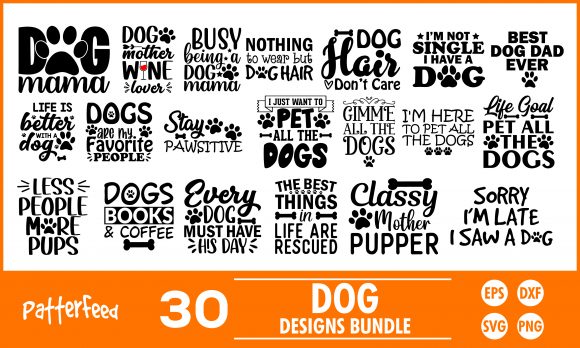
The first impression of Funny Dogs Bundles is warm, playful, and slightly irreverent. The design style feels like a mix of hand-drawn charm and modern simplicity. It suggests a brand that’s approachable, relatable, and has a bit of humor. This kind of graphic design asset works well for businesses that want to connect with customers on a personal level—think small local shops, handmade brands, or creative entrepreneurs who value authenticity over formality.
Applying Funny Dogs Bundles in Real Business Design
As a brand designer, I see the potential of Funny Dogs Bundles in a variety of real-world applications. These graphics can be used for logo design, brand identity, product labels, packaging design, and even social media graphics. For example, imagine using these designs as accents on a boutique’s packaging or as decorative elements on a coffee shop’s menu. They add personality without overwhelming the brand message.
These cut files are especially useful for small business branding projects where visual consistency is key. Whether it's creating a thank-you card for a customer or designing a seasonal campaign, Funny Dogs Bundles offer a versatile set of tools that can be adapted to fit different needs.
Supporting Business Presentation and Brand Identity
Using Funny Dogs Bundles can significantly enhance a brand’s presentation. The visuals create a stronger first impression, which is crucial in retail environments or online marketplaces. They help with product recognition and make the brand more memorable.
Moreover, these graphics support clearer visual hierarchy and more consistent brand identity. When used thoughtfully, they can improve customer trust by reinforcing the brand’s voice and values. For instance, a skincare brand might use these designs on their packaging to convey a sense of care and fun, aligning with their mission of making beauty accessible and enjoyable.
Where Funny Dogs Bundles Work Best
Funny Dogs Bundles excel in areas where a touch of whimsy and charm can elevate the overall look. They work particularly well on product labels, packaging accents, hero graphics, and promotional banners. These designs can also serve as decorative brand elements in editorial design or web design projects.
For example, a handmade soap business could use these graphics as part of their product mockups or as printable inserts for their website. A florist might incorporate them into seasonal packaging or as part of a social media campaign. The versatility of these assets makes them ideal for a wide range of creative marketplace products.
Where to Use with Caution
While Funny Dogs Bundles are highly versatile, there are scenarios where they should be used carefully. In formal corporate branding, these designs might feel too casual or playful. Similarly, they may not be suitable for very small labels or crowded product packaging where clarity is essential.
It’s also important to consider the context of the design. These graphics may not work well on ingredient-heavy layouts or legal information areas where readability is critical. Additionally, they might compete with important text on low-contrast backgrounds or in luxury minimalist brand designs.
Practical Brand Designer Notes
As a professional designer, I recommend testing these assets on real packaging mockups to ensure they work well in context. Always check black and white usage to confirm visibility in different lighting conditions. Previewing the graphics on small labels is also essential to maintain legibility.
When using Funny Dogs Bundles, test them with your brand colors to ensure they complement your existing palette. Comparing them with competitor packaging can provide valuable insights into how they fit within your market. Checking print quality and reviewing PNG transparency are also important steps before finalizing any design.
Additionally, inspect SVG or vector editability when relevant, as this can affect customization. Testing the graphics beside different font styles—serif, sans serif, script, handwritten, and display fonts—can help determine their compatibility with various design approaches.
Finally, always confirm commercial licensing before using these assets for client work, business branding, or physical product sales. Ensuring you have the proper rights is crucial for both legal compliance and long-term brand integrity.